It takes work and talent to create
minimalist designs that stand the test of time. One designer capable of such
work was German-American architect Ludwig Mies van der Rohe. Now widely
regarded as one of the pioneers of modern architecture, he began his career as
an apprentice in Peter Brehren’s studio, working alongside esteemed modernists
Walter Gropius and Le Corbusier. After World War 1, he began experimenting with
styles of design that were suitable for the industrial age that the world was
embracing.
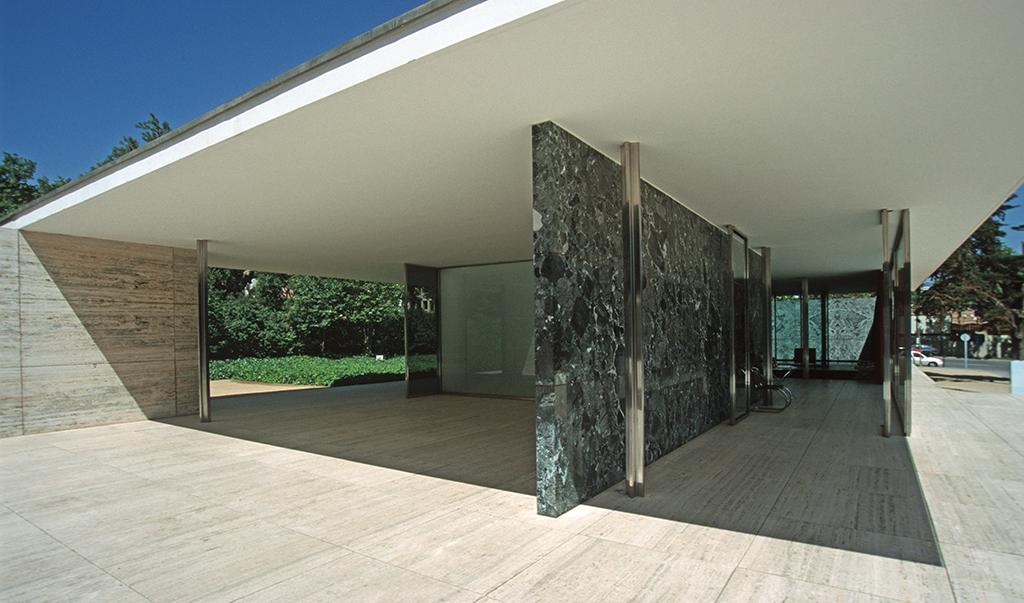
He is most widely known for the design of
the German Pavilion for the Barcelona International Exposition in 1929, using
simple forms and extravagant materials. It was supposed to reflect the face of
the new Germany after the war, culturally progressive, prospering and
thoroughly pacifist. The use of space was meant to invite the weary visitors
and blurred the distinction between inside and outside space. Unfortunately,
since it was never meant to be a permanent installation, it was torn down less
than a year later. However, thanks to Copies of the original plans and
photographs, a group of Spanish architects have reconstructed it more
permanently between 1983 and 1986. It now stands as a testament to the
ingenuity and talent of a great modernist designer, always welcoming.

No comments:
Post a Comment